

A symbol of the relationship between sleek modernization and spirituality
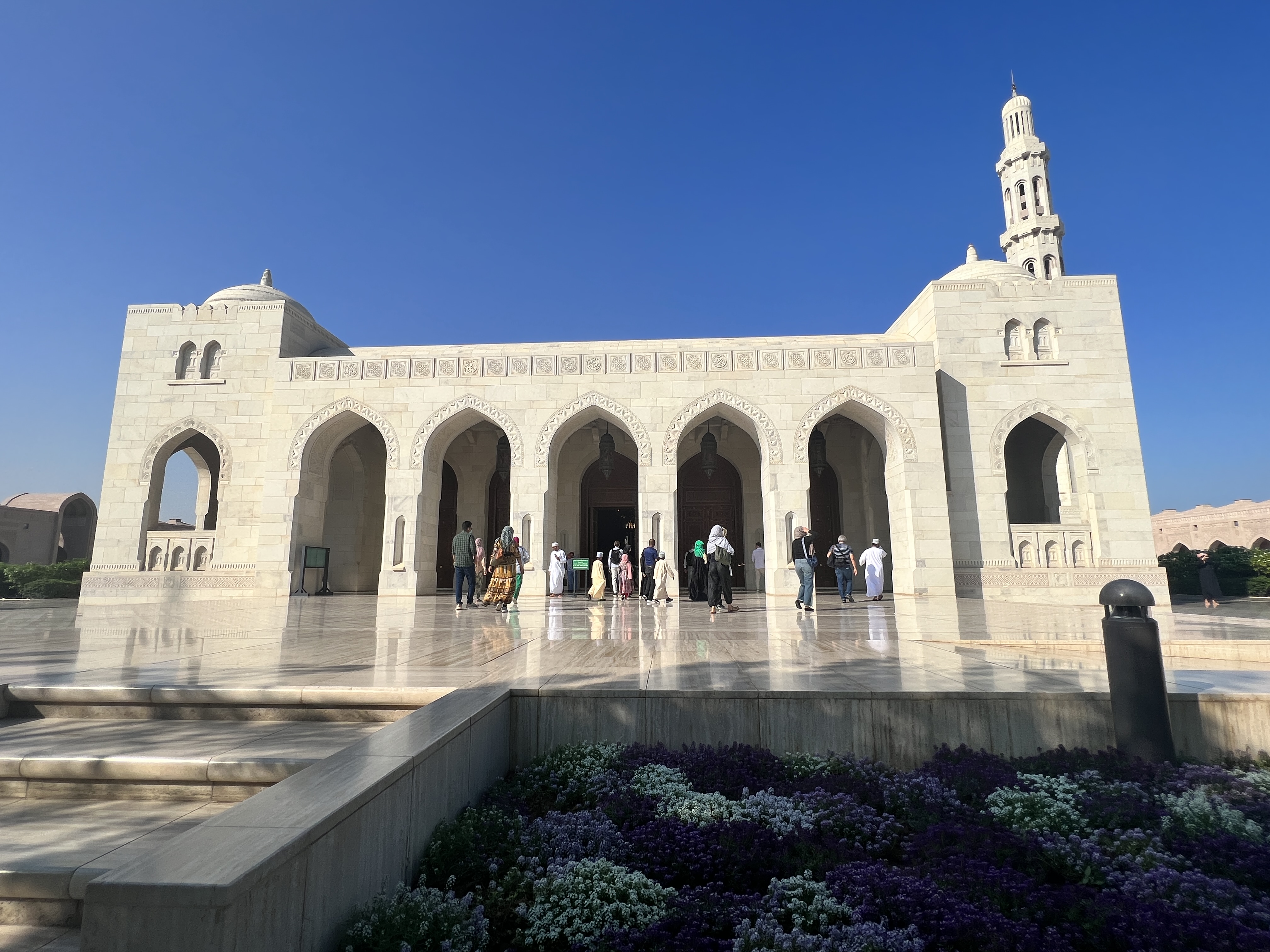
Sultan Qaboos was the revered leader of Oman from 1970-2020, who came to power after a coup in 1970 when he ousted his father, Said bin Taimur, with the help of the British. Describing the reason for the coup, Sultan Qaboos mentioned “I, have watched with growing dismay and increasing anger the inability of my father to use the new-found wealth of this country for the needs of its people. That is why I have taken control.” Said bin Taimur died as a result of the coup, and Sultan Qaboos carried on with his vision of modernizing Oman and restoring it to its former glory, “..in days gone, by our country was great and powerful, and with God’s help, if we work together to recreate our nation, we shall once again take our rightful place in the Arab world“. Under Sultan Qaboos’ rule, there were several modernization projects, infrastructure including roads, schools, mosques, hospitals, communication and facilities that promoted international trade. Under his rule he established a Council of Ministers and two consultative bodies (Majlis al Shura) which are elected by Omani citizens.
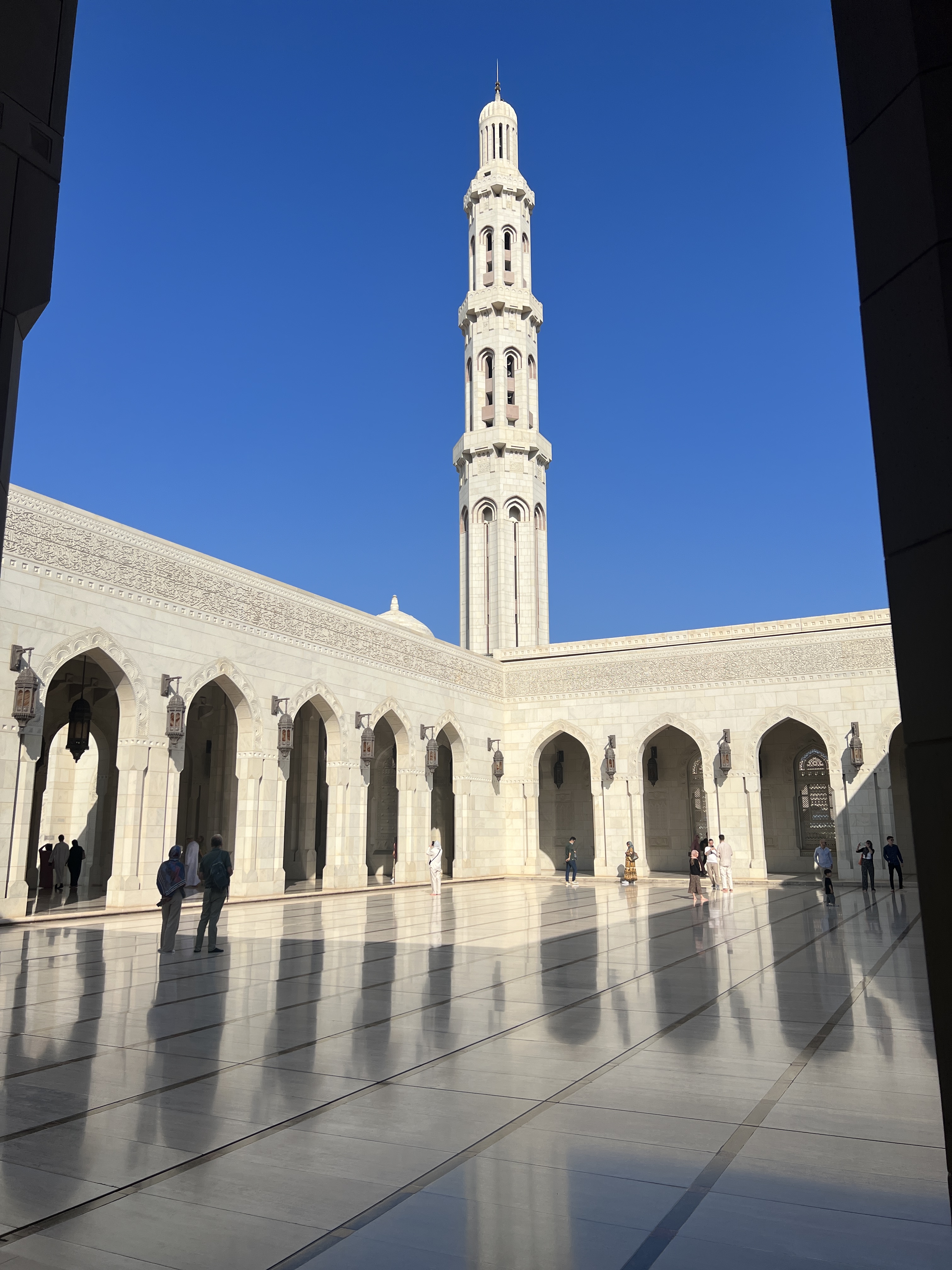
The Sultan Qaboos Grand Mosque is an example of the grandeur construction projects that was under taken by the Sultan, one of many beautiful mosques seen throughout Oman. However, this is the largest mosque in Oman, located in the capital of Muscat. There are special times during the day when the mosque is open to tourists, who can roam freely and take in the beautiful architecture. When you enter the grounds, over 400,000 square feet of it, you’ll note there are five minarets, each one stands for one of the five pillars of Islam. The mosque itself took nearly seven years to complete.
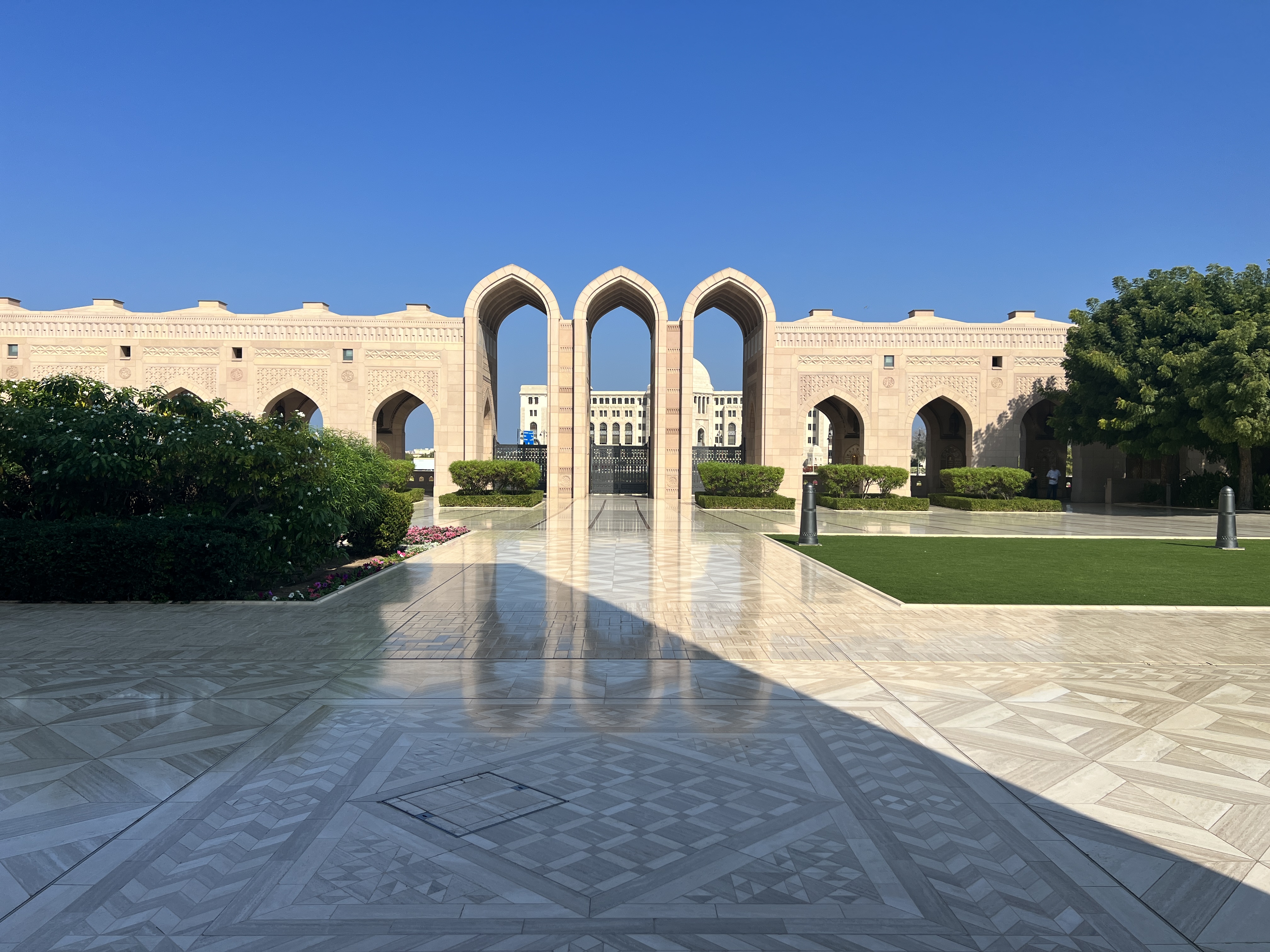
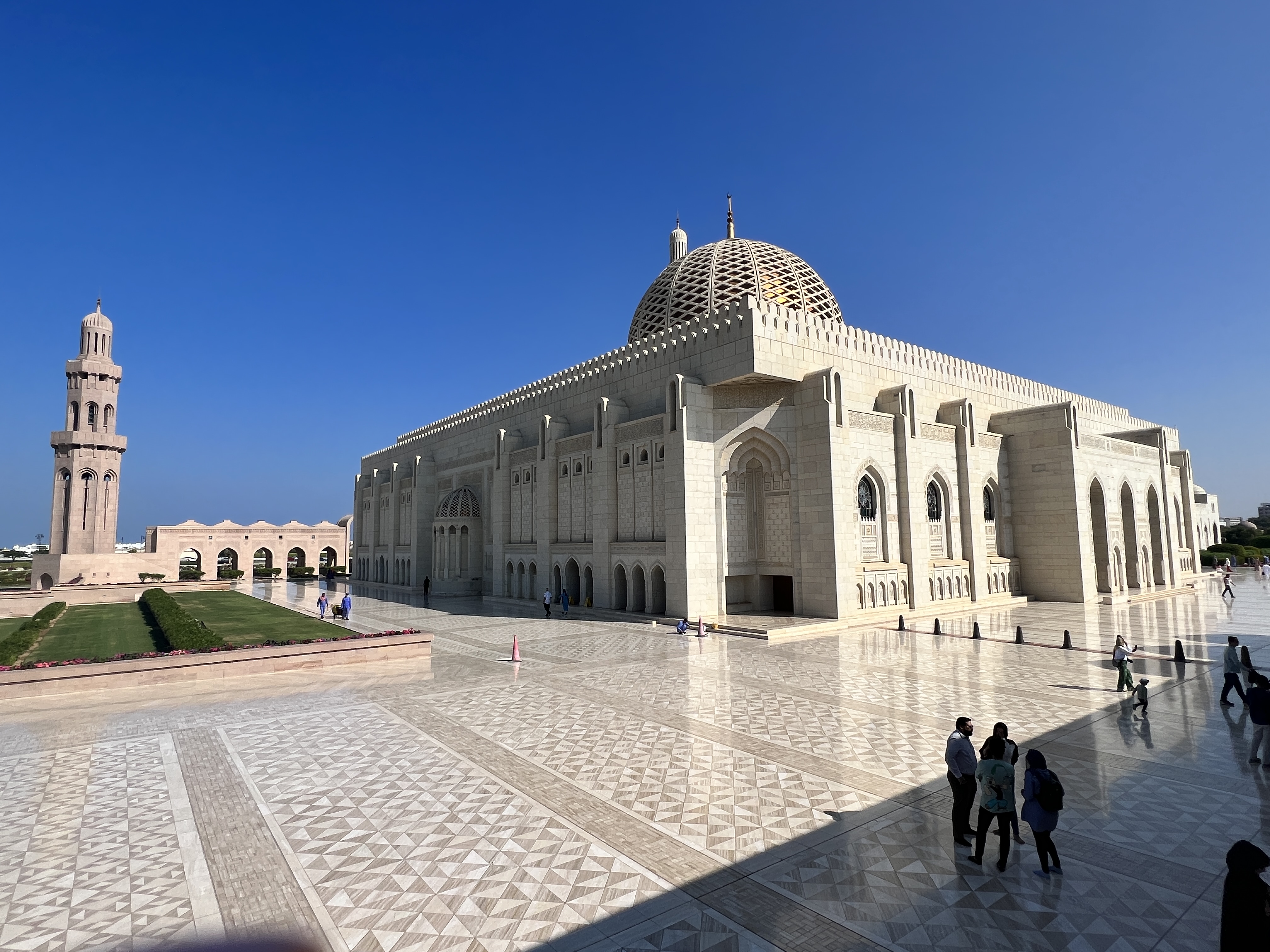
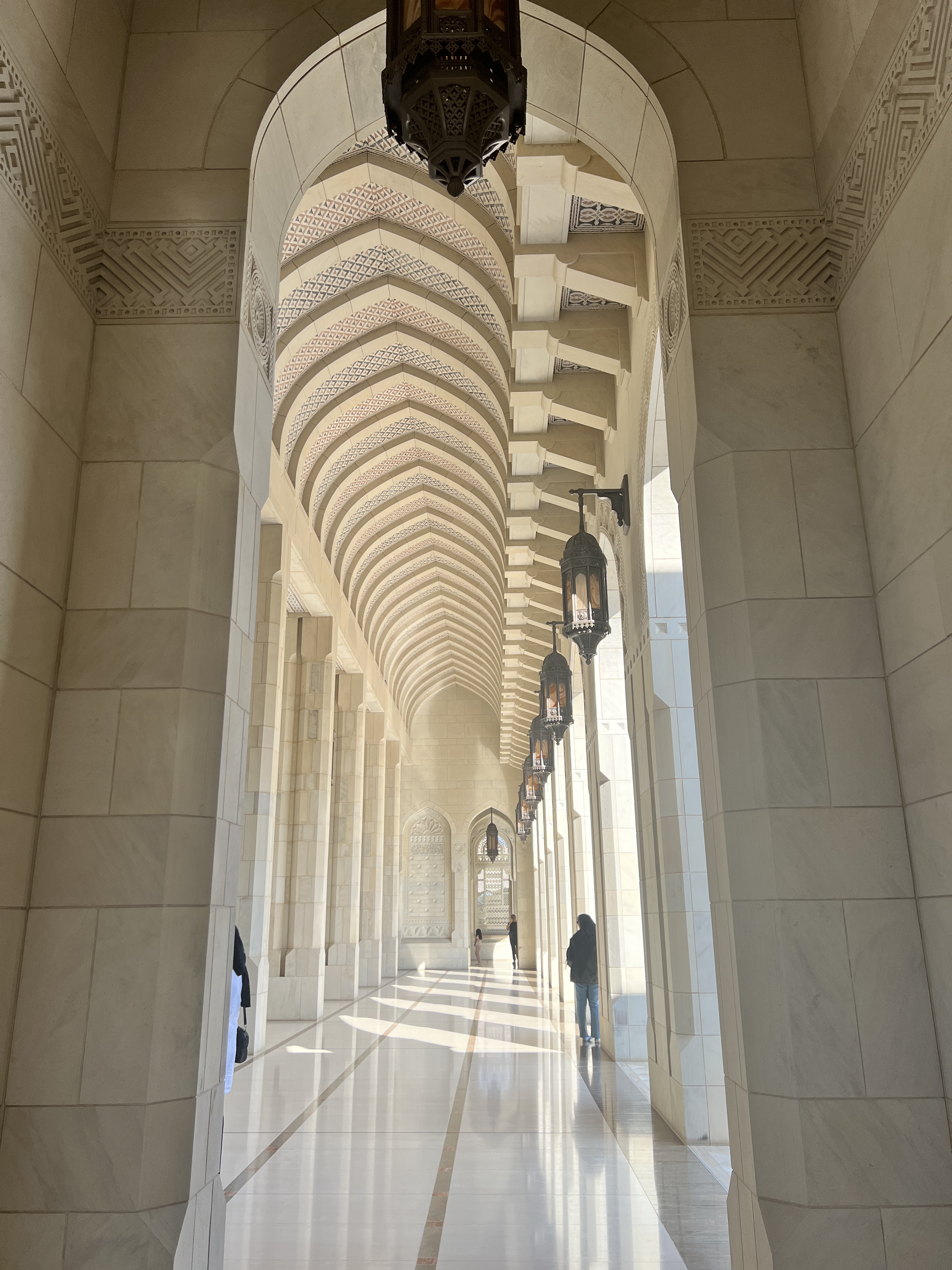
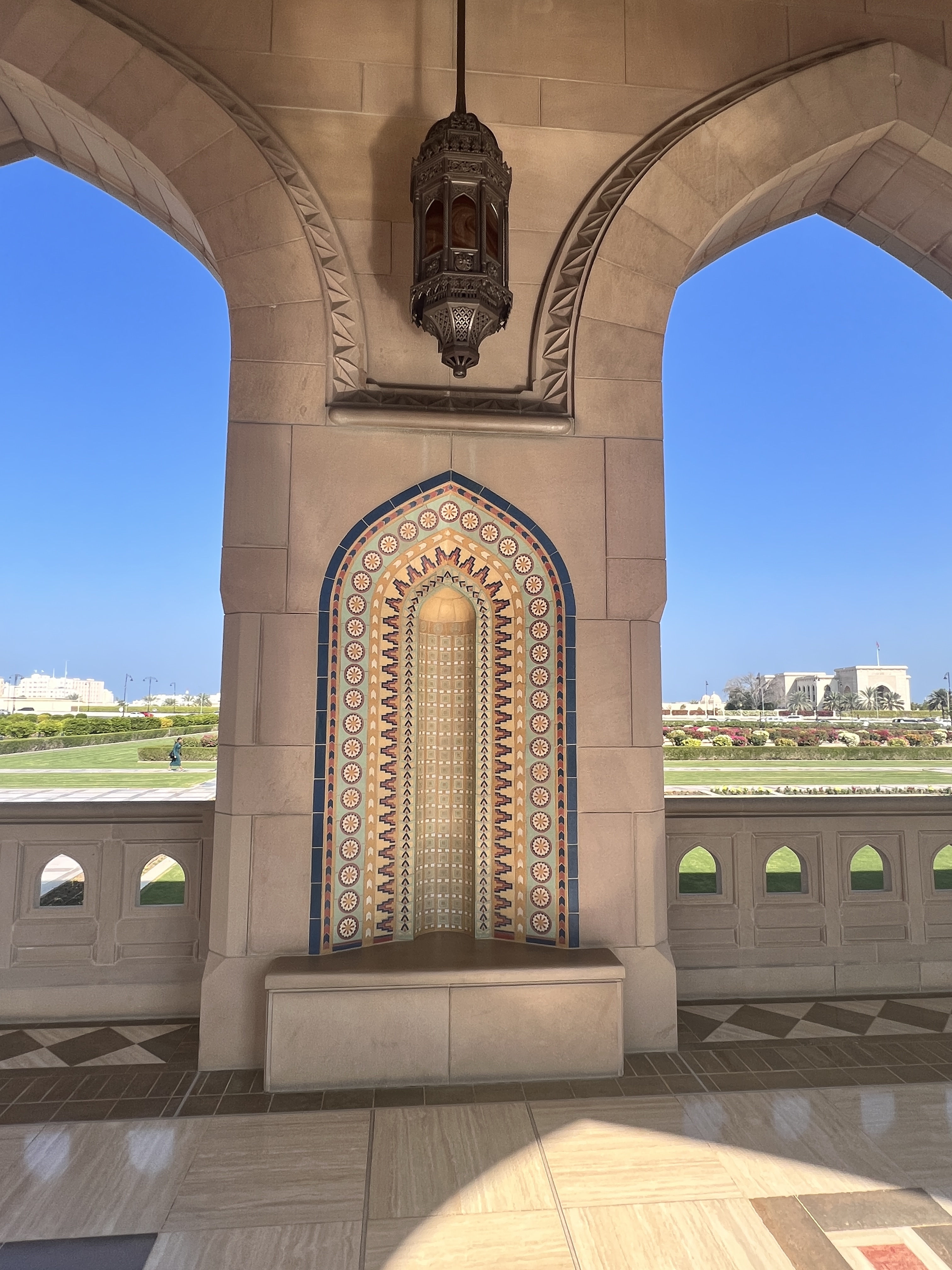
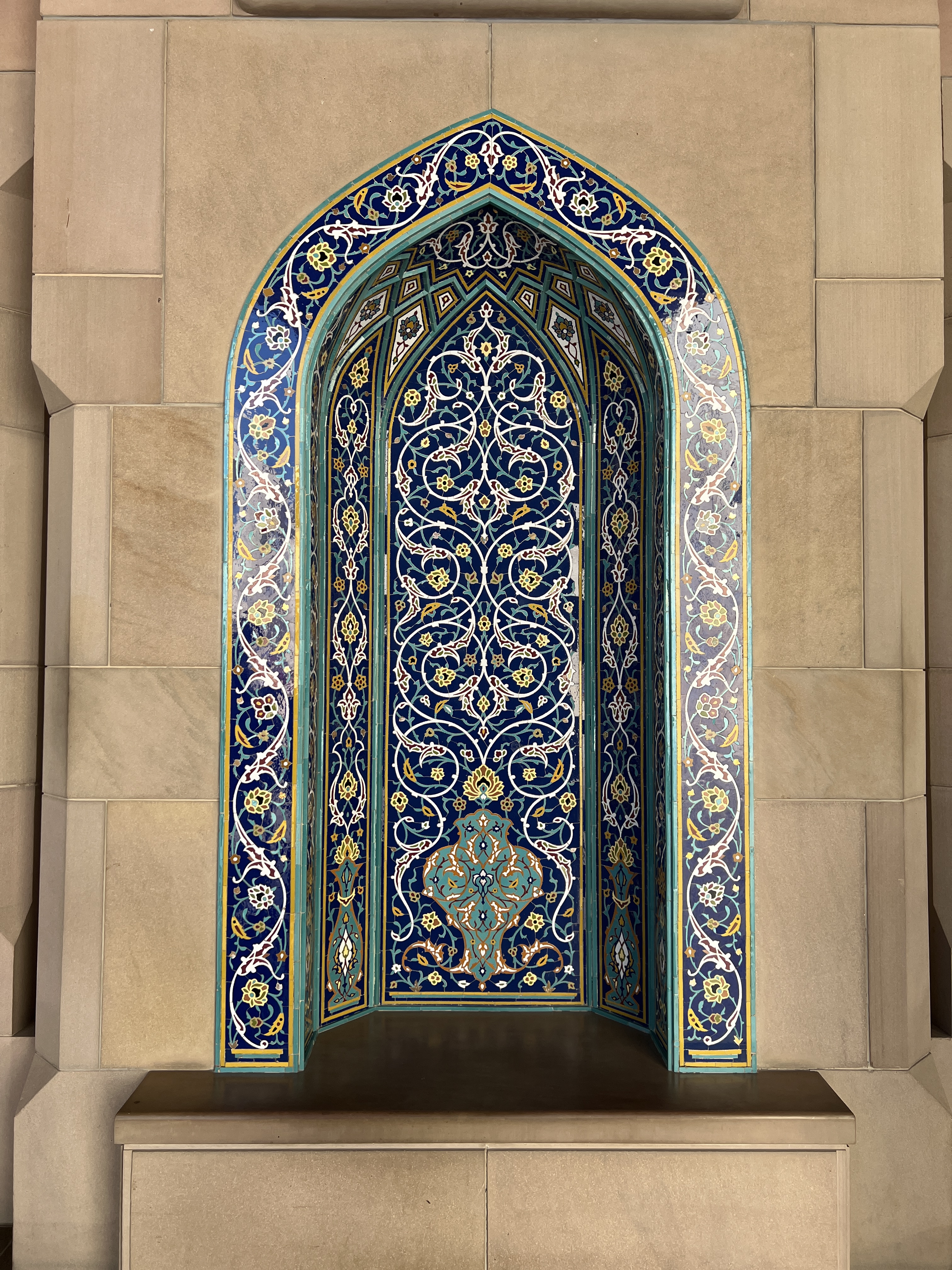
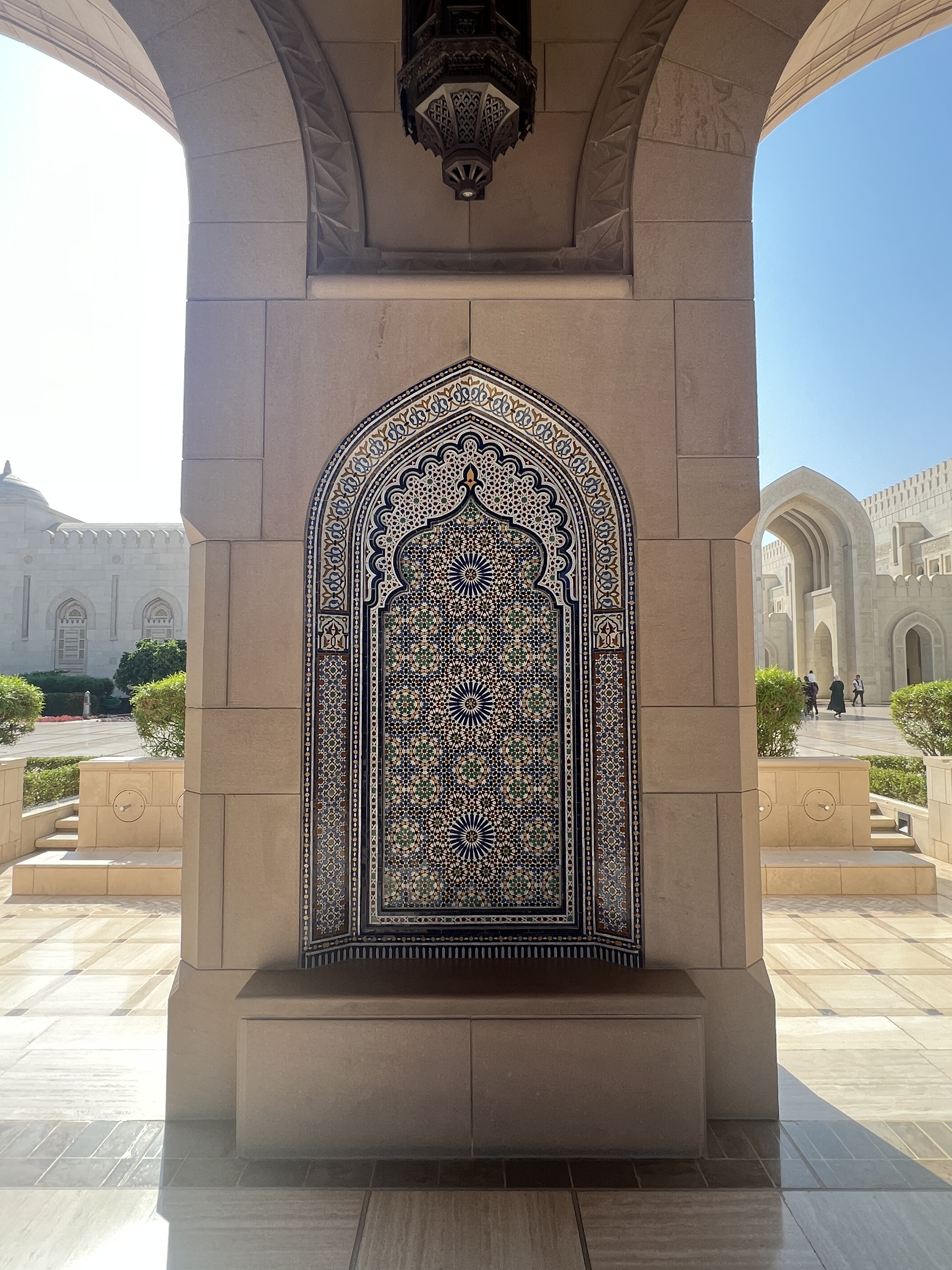
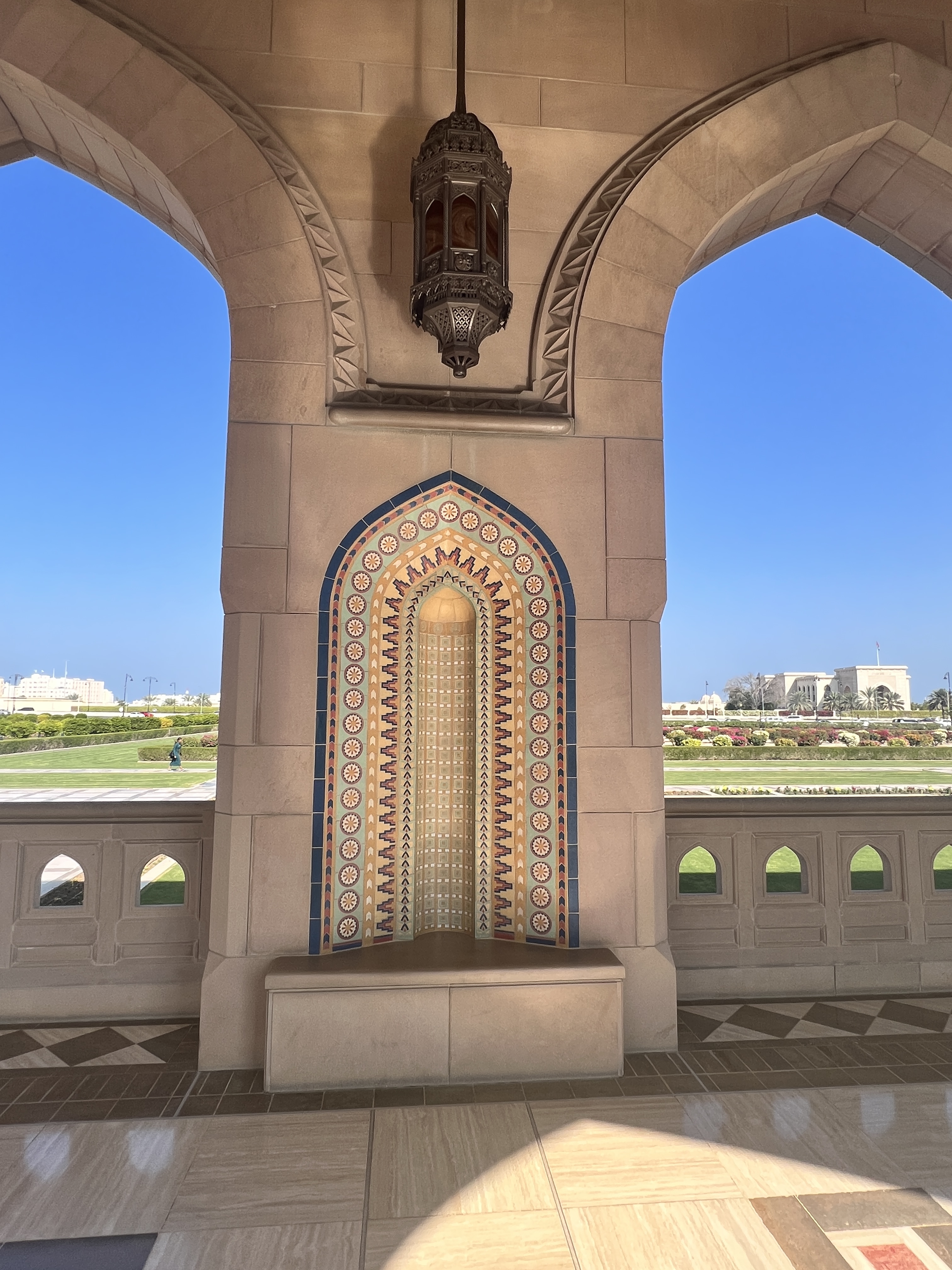
One of the elements of Islamic architecture and art is the power of the patterns to give the consumer a feel like the pattern can go on forever and carry you along with it. We see this in the repetitive nature of the tile and arches of the building itself, which has a soothing effect as you walk along the cool tile. Many people were walking barefoot, that’s how clean and cool the ground felt.
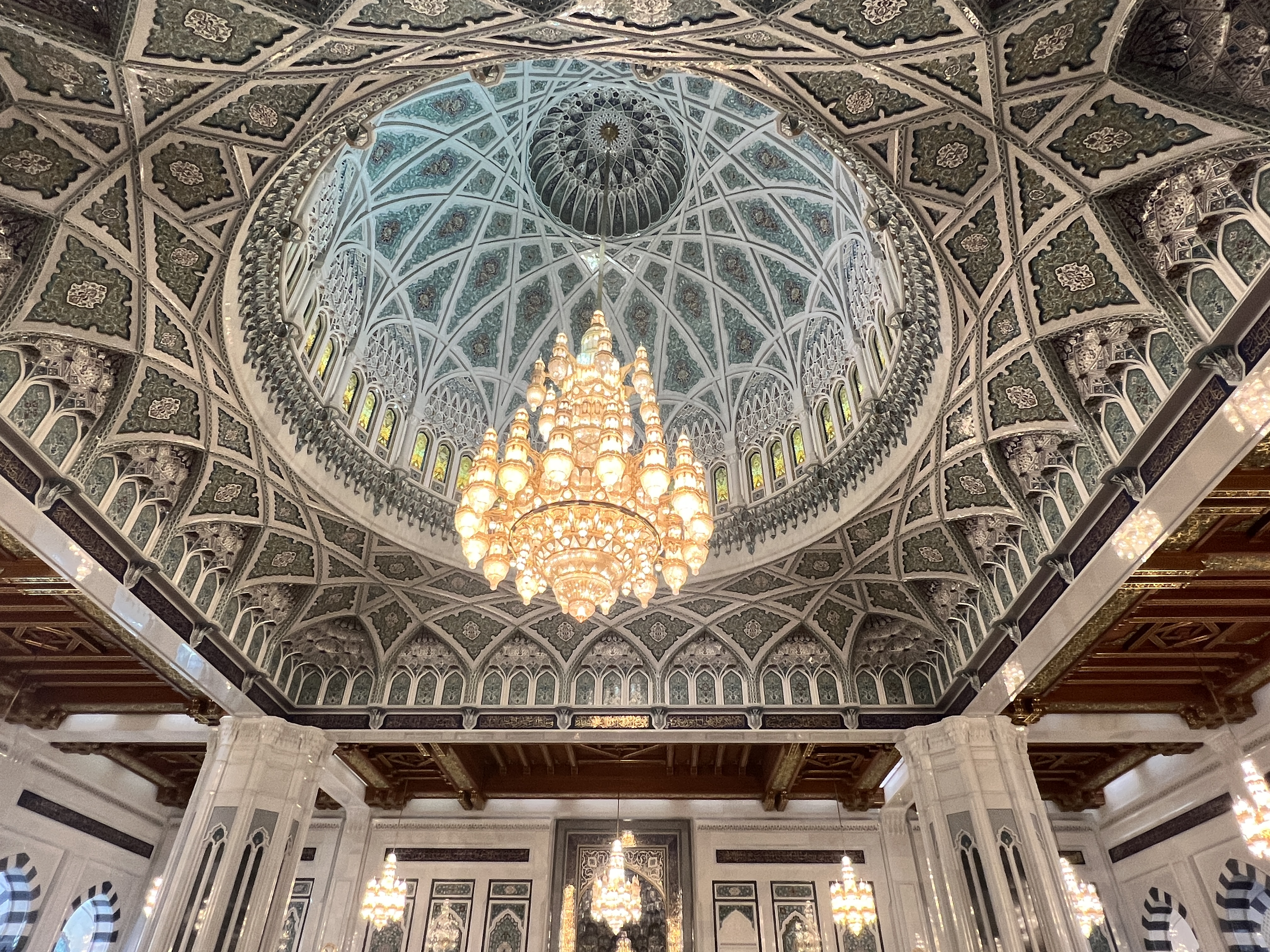
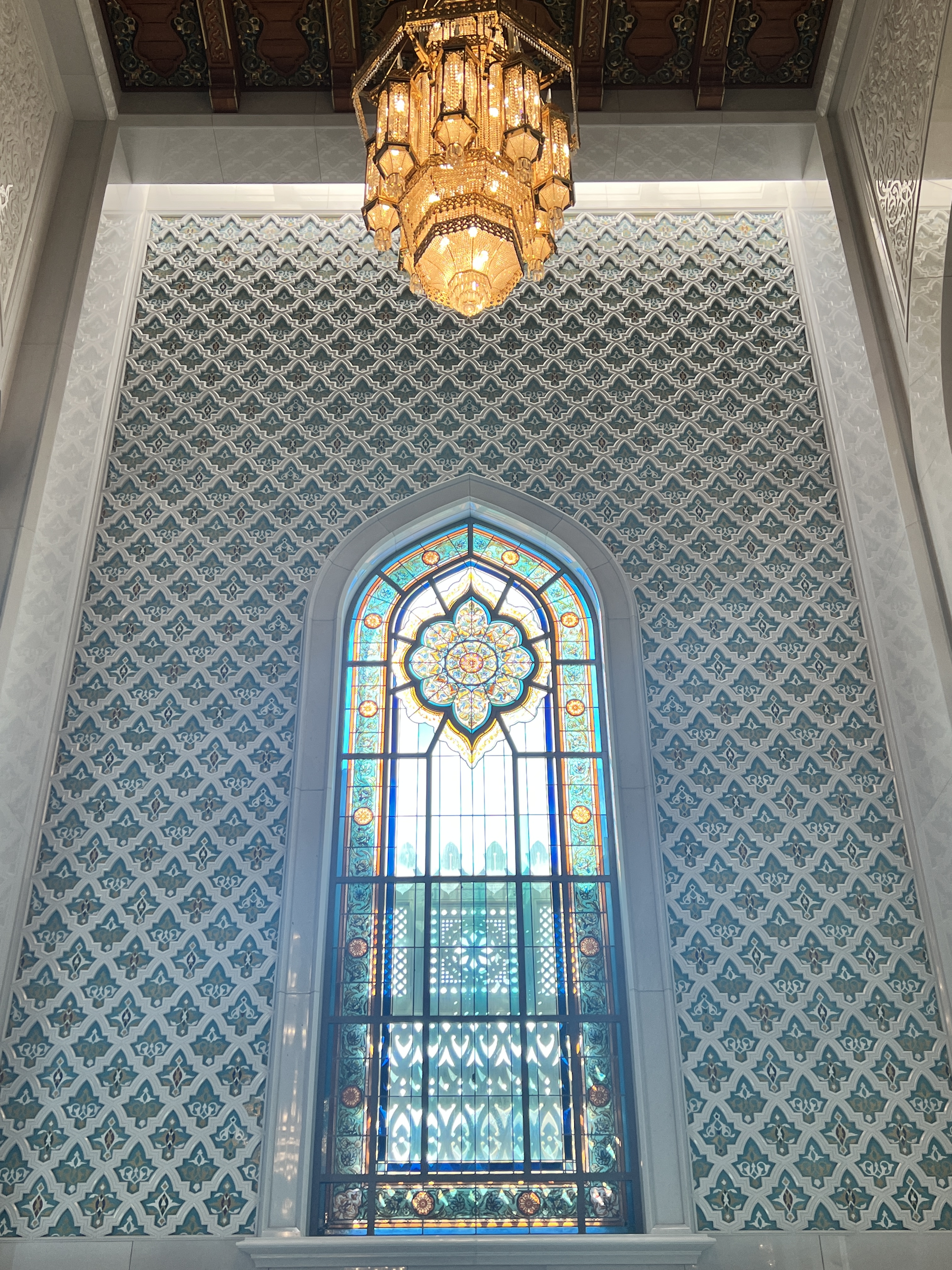
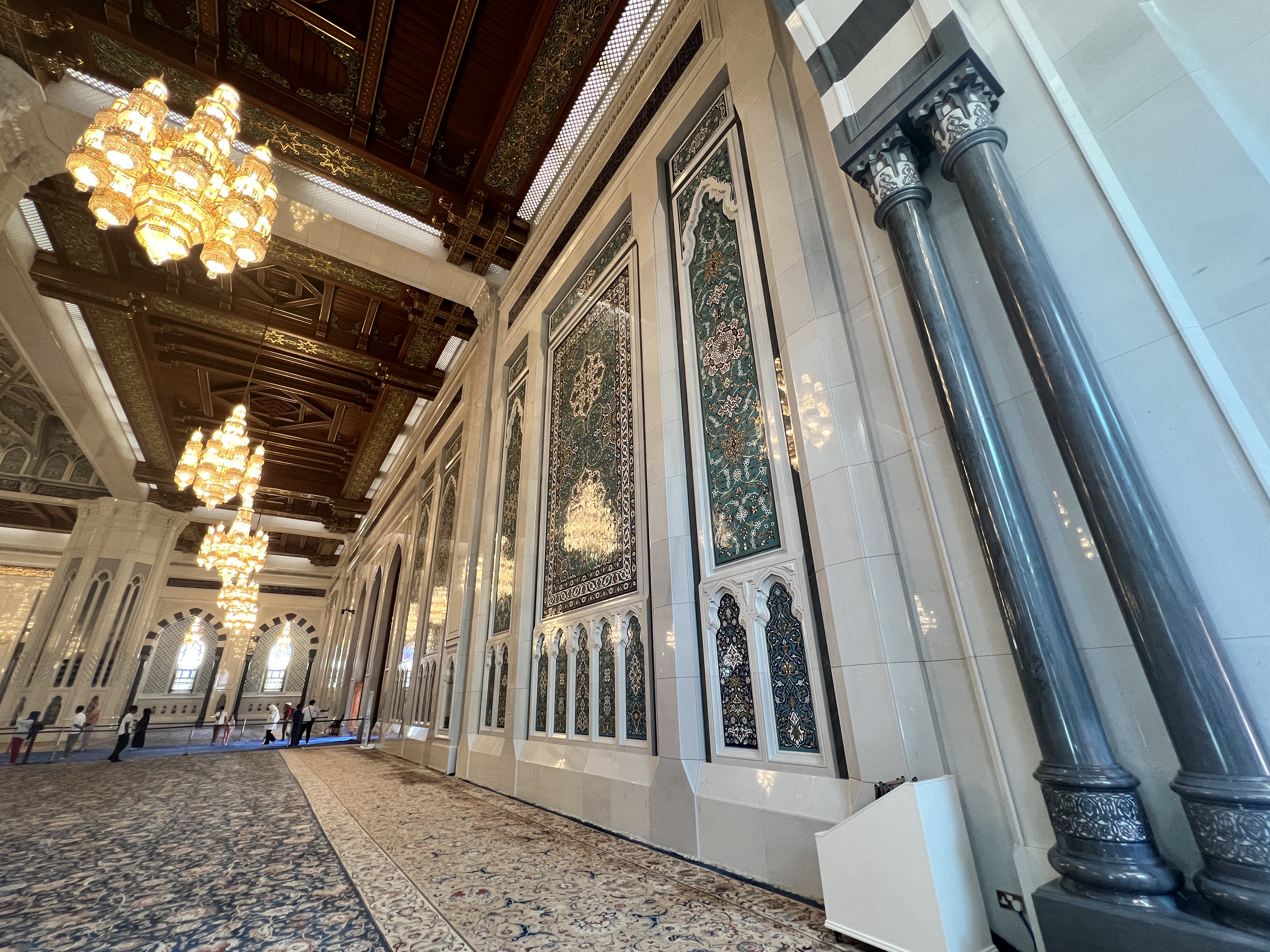
The chandelier in the mosque will take your breath away, it is the world’s largest chandelier and located in the men’s prayer hall and holds six hundred thousand Swarovski crystals, and 24 carat gold plating. The chandelier took four years to complete, manufactured by an Italian company.
Nearly three hundred thousand tons of sandstone were imported from India, various colored sandstone were imported from Italy and Egypt as well.
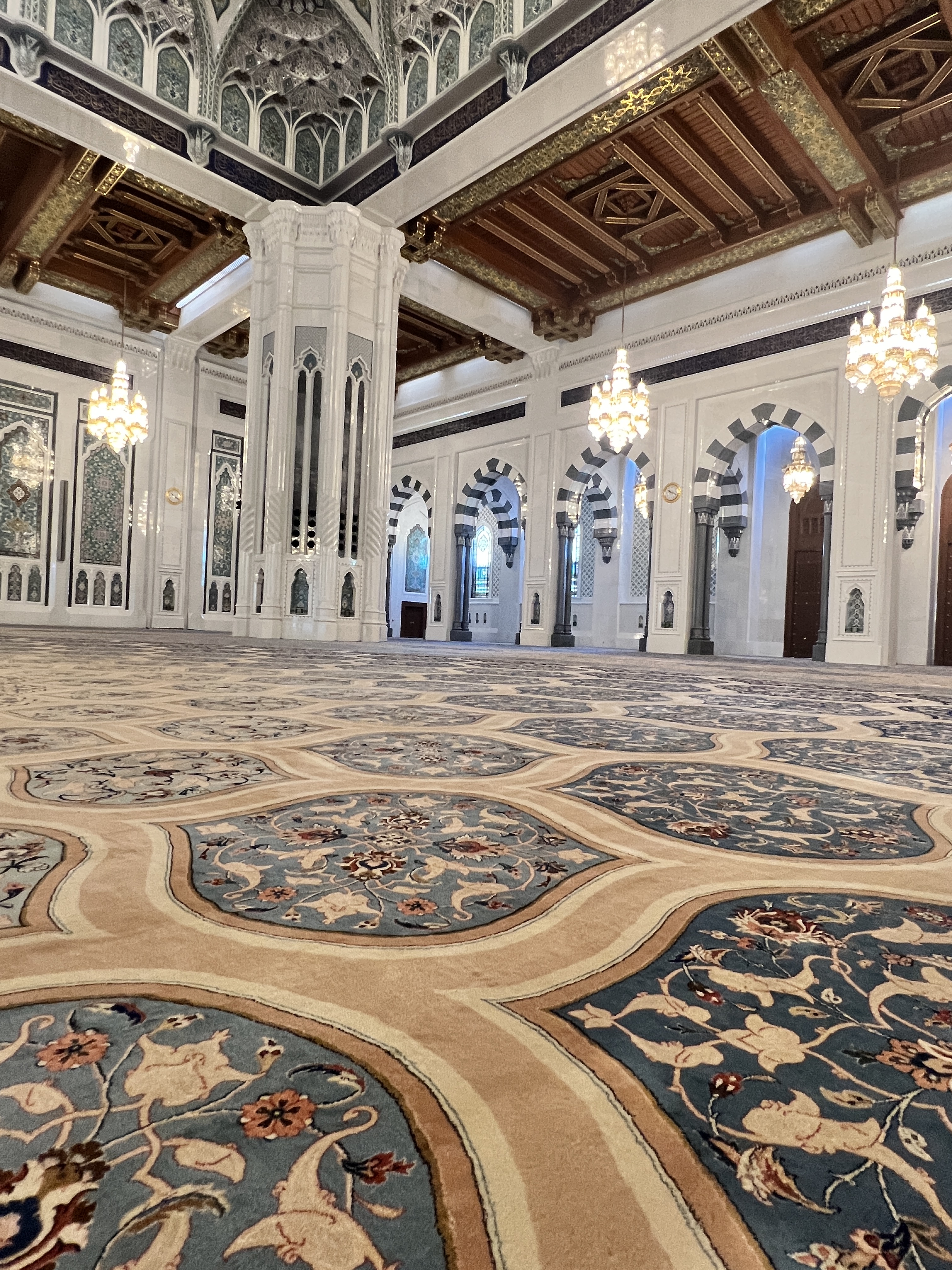
The Persian rug, nicknamed “The Carpet of Wonder“, is a one-piece masterpiece, yes, that is correct , all 4,343 square meters, is just shy of 47,000 square feet, is all one piece. This piece was commissioned and gifted by the Sultan to the people of Oman. The design of the carpet was inspired by the design on a dome in an ancient mosque in the city of Isfahan, Iran. It took 600 weavers over four years to create the rug. The rug does deserves its name because just like any masterful piece of artwork, it draws you in and again, the feeling the pattern will go on forever is prevalent.
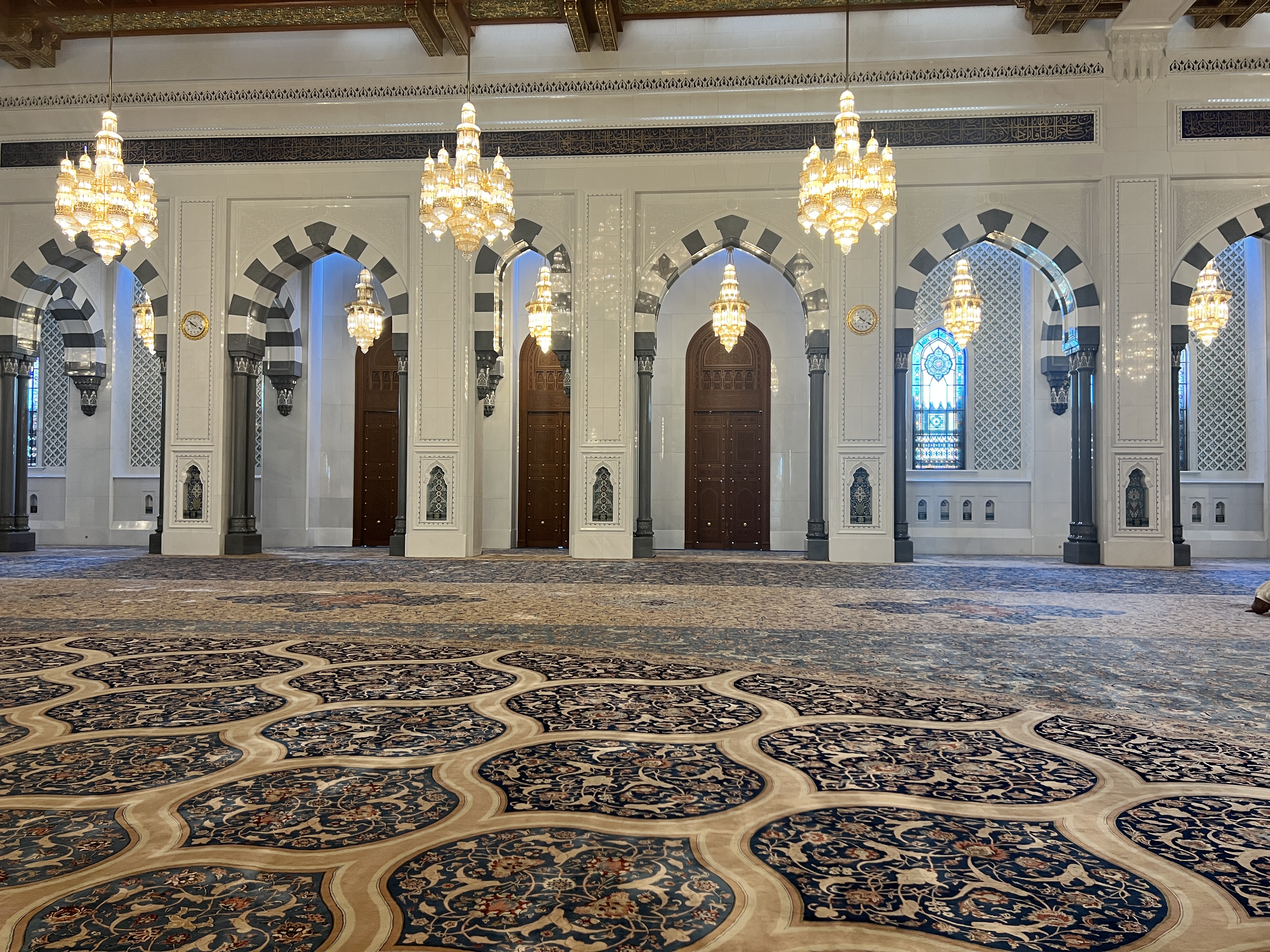
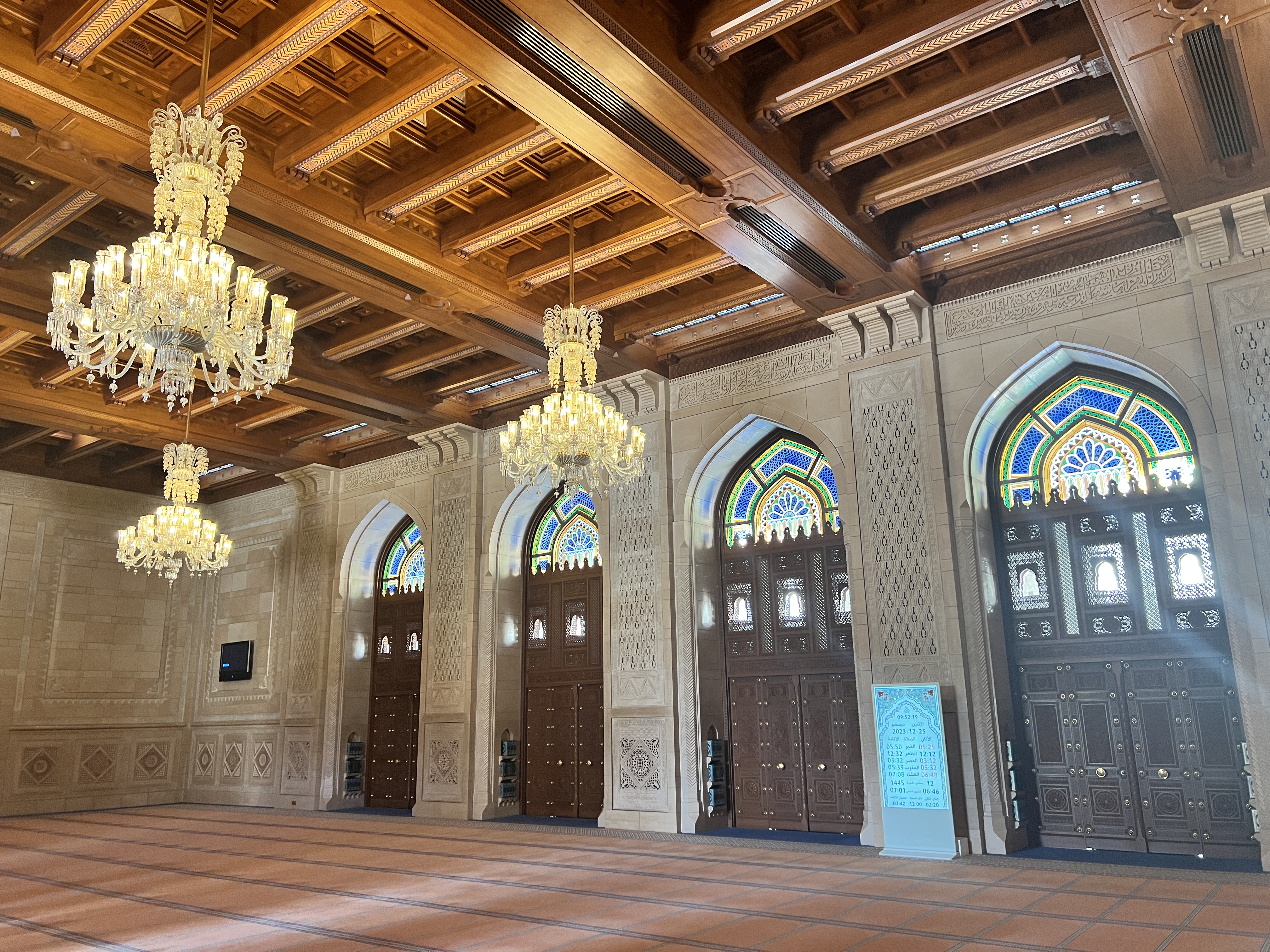
As you walk through the Sultan Qaboos Grand Mosque, you’ll find beautiful Islamic motifs all over the walls and ceilings, the attention to detail was breathtaking.
The outside courtyard is just as stunning as the interior. Each area had a color scheme and theme, for instance one space was centered around the theme of Oman and the Arabian Peninsula, “Sand, Myrrh & Silver”. This space is inspired by craftsmanship of Oman and surrounding area, which incorporated contemporary designs which is still used in silver jewelry, fabrics, rugs and embroidery.
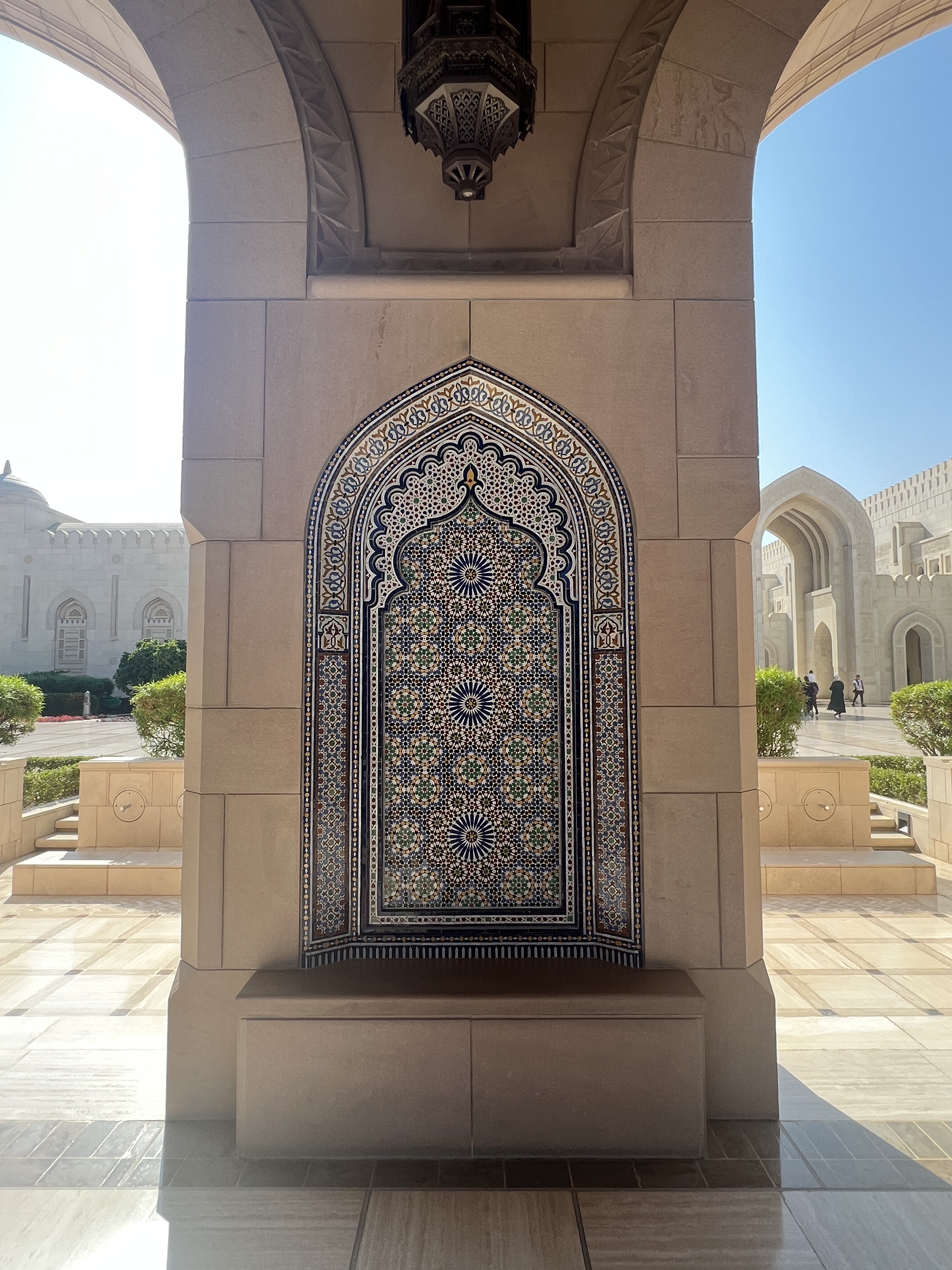
…just blending in with the mosaic.
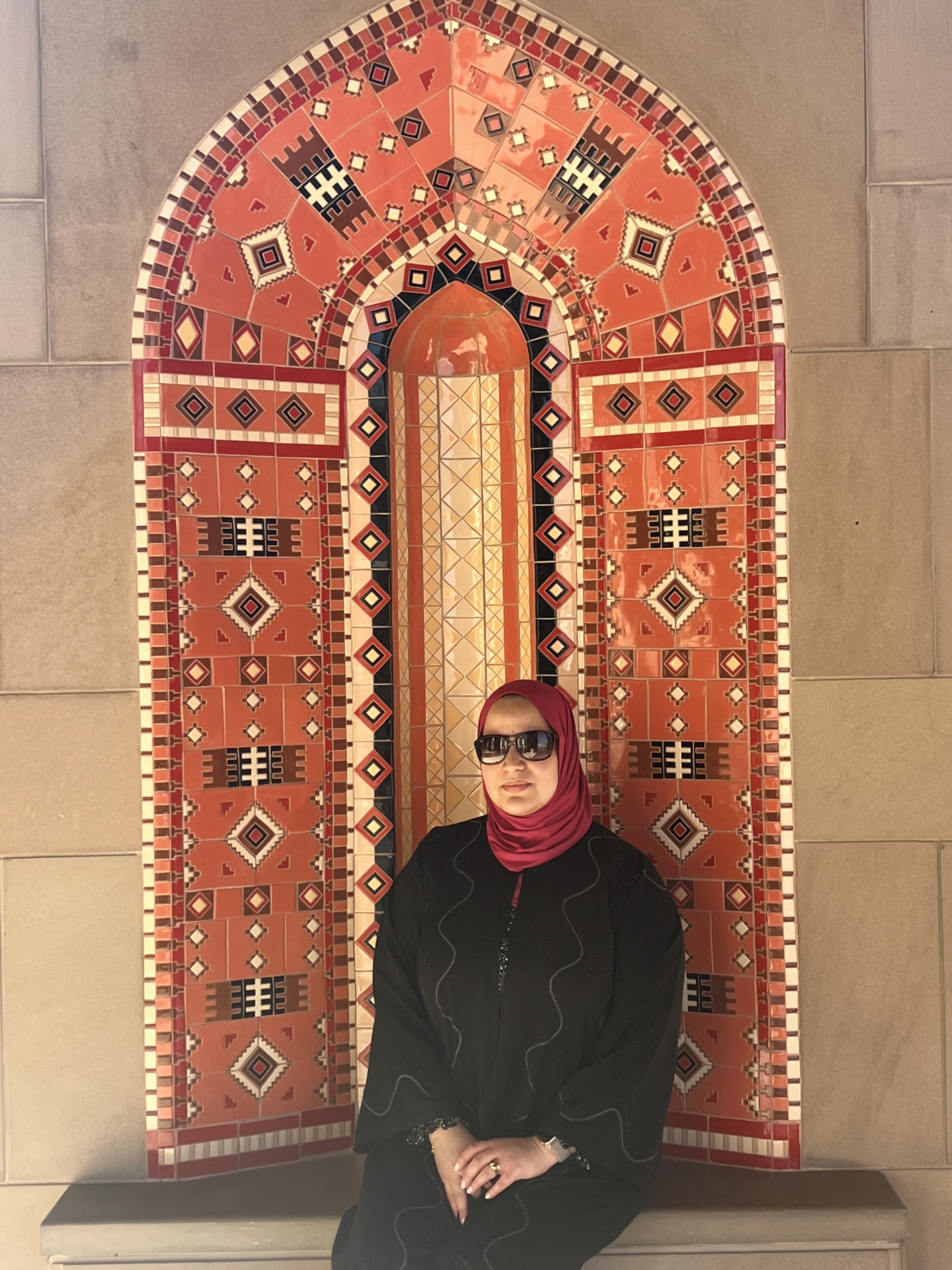
One of the goals of the late Sultan Qaboos, as was relied to us by our tour guide was to modernize Oman without losing its cultural integrity. This mosque is a beautiful example of how this can be done beautifully. As a Muslim, walking through the mosque, surrounded by Islamic motifs and art was a spiritual experience.
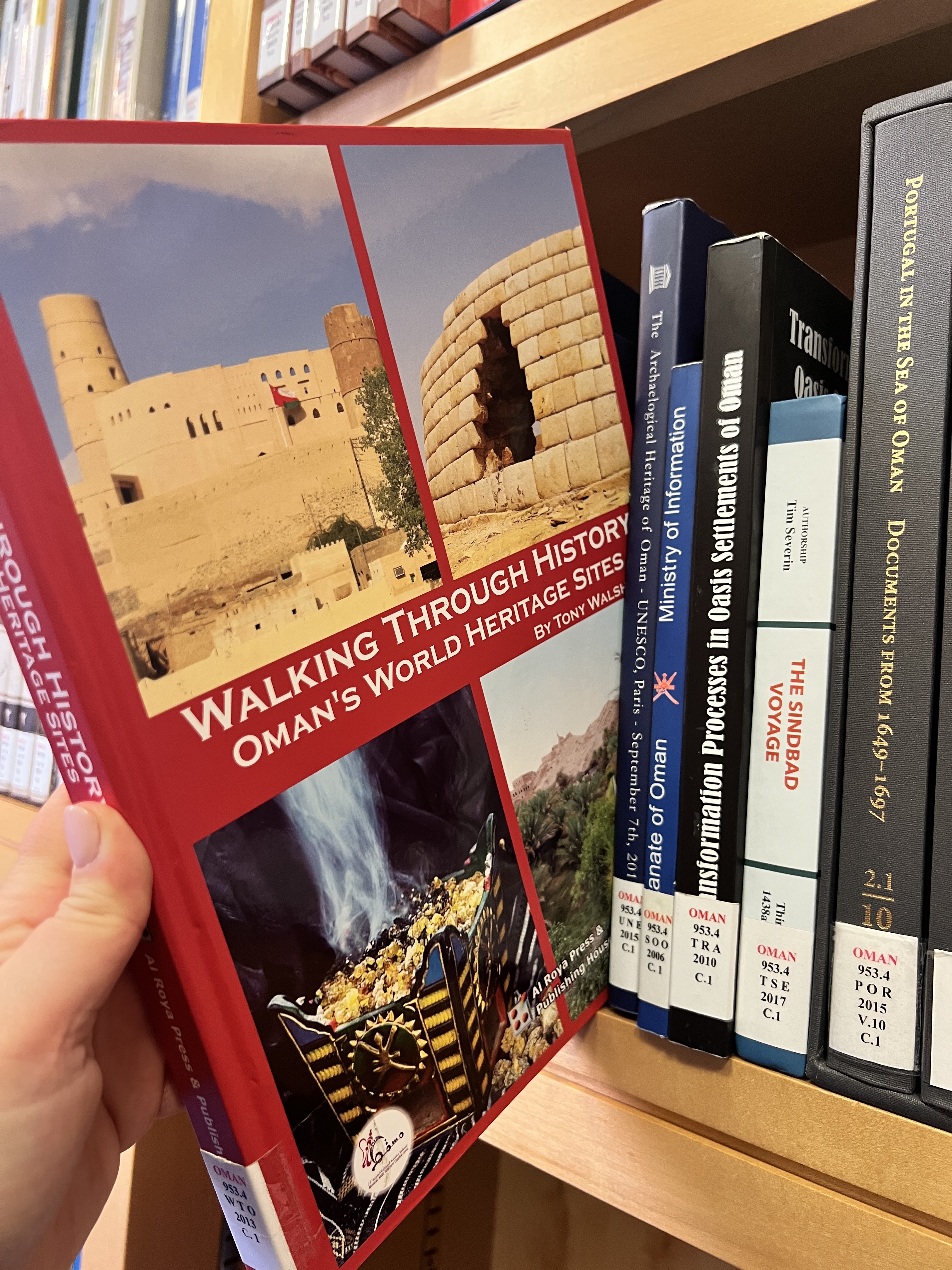
Once space I was hoping to return to was the library on the grounds. There is a collection of over 20,000 books in both Arabic and English on a range of topics.

 Ahlam Yassin, M.A.Ed.