Since the trip was sandwiched into my winter break, there was no time to lose and we hit the ground running. I could not have completed this journey without my tour guide, Khalifa AwaldThani, of Unveil Oman Tours, whom I found on Trip Advisor. I reached out to him months prior to travel and we built the itinerary together based on my needs over WhatsApp communications. The first area of interest was the historic town of Muscut. One of the gems of the trip is the immediate change of pace you feel once you begin taking in the scenery, historic and religious sites nestled in between mountain ranges, a blend of natural creation and what is human made.
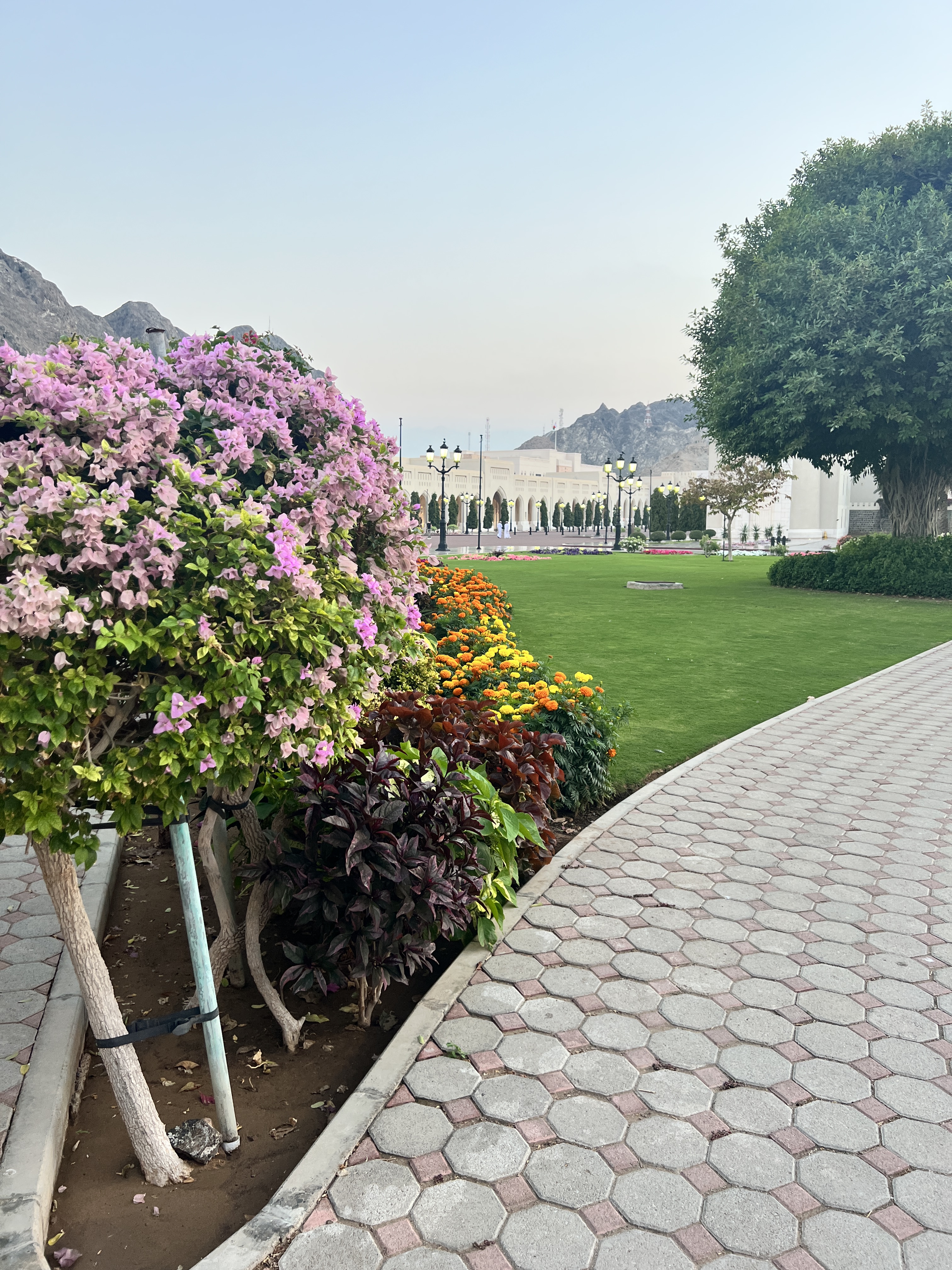
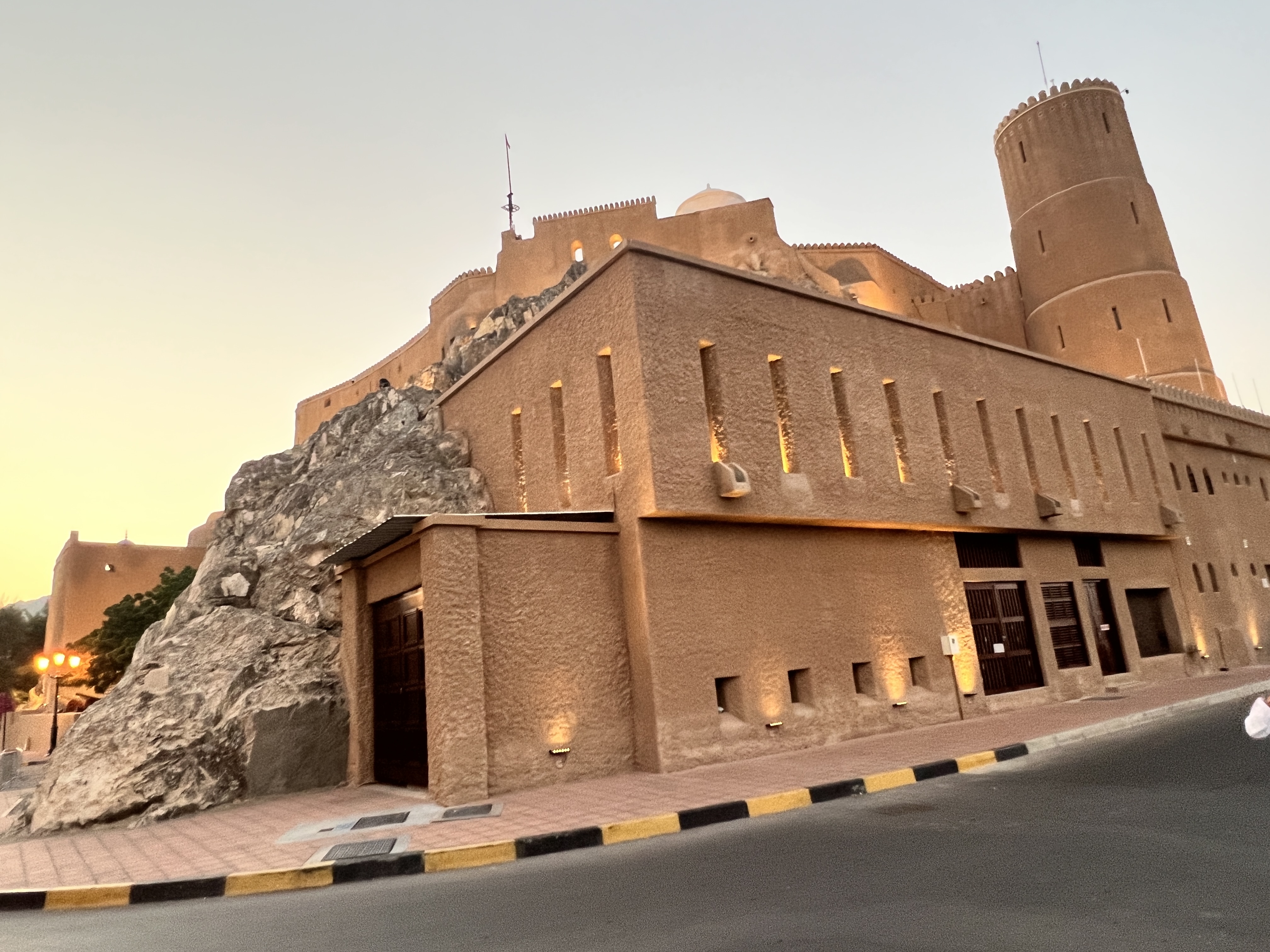
As forts throughout history play the role of keeping a place safe, and thus, have to have a domineering position, this fort is no exception. It is nestled into Al Hajar mountains overlooking “The Sultan Qaboos Port”. The fort was built in 1507 AD by the Portuguese during their occupation of Oman, until the coveted maritime location was taken over by the Ottomans in the early 17th century.
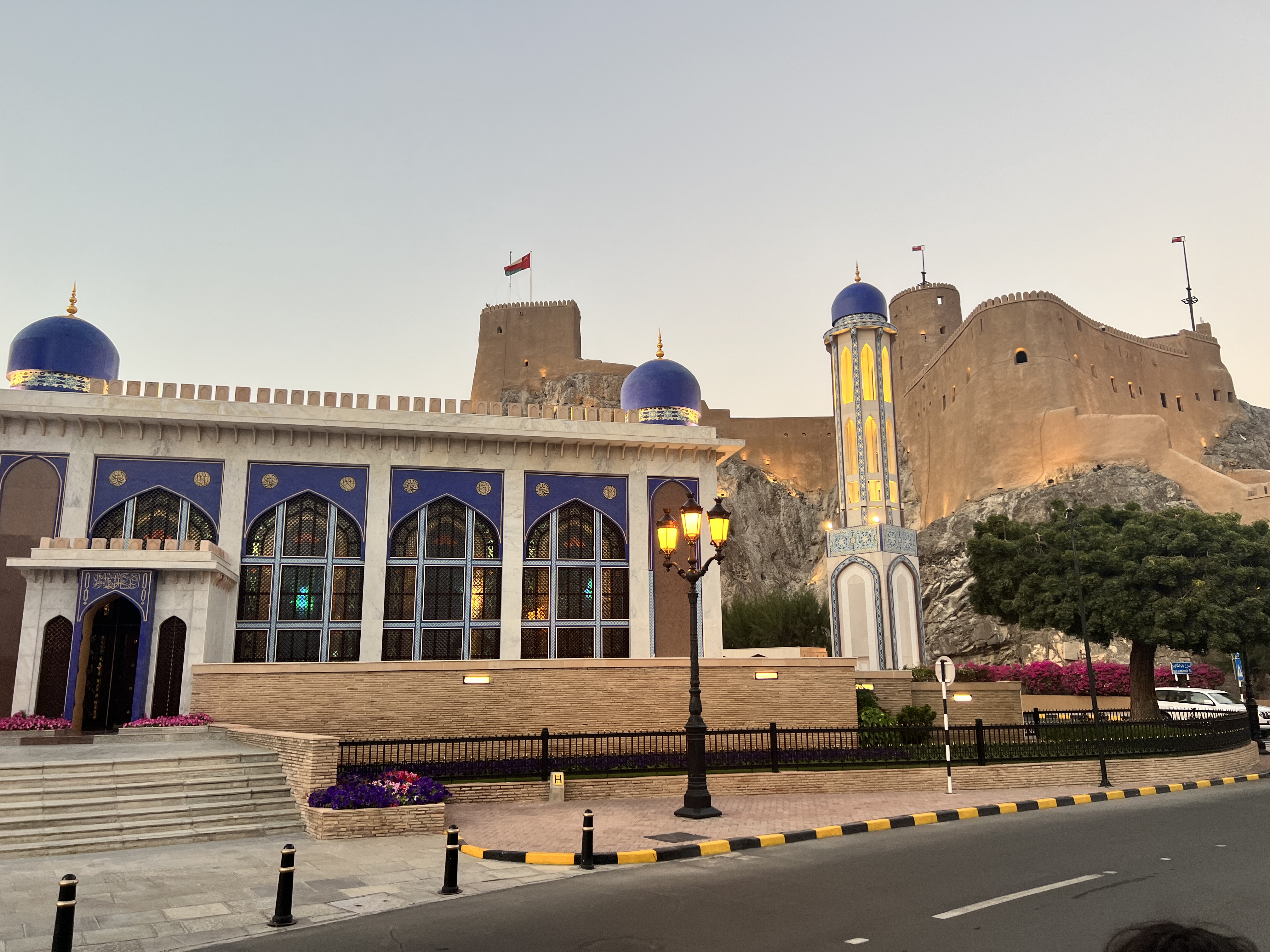
Al Khor Mosque
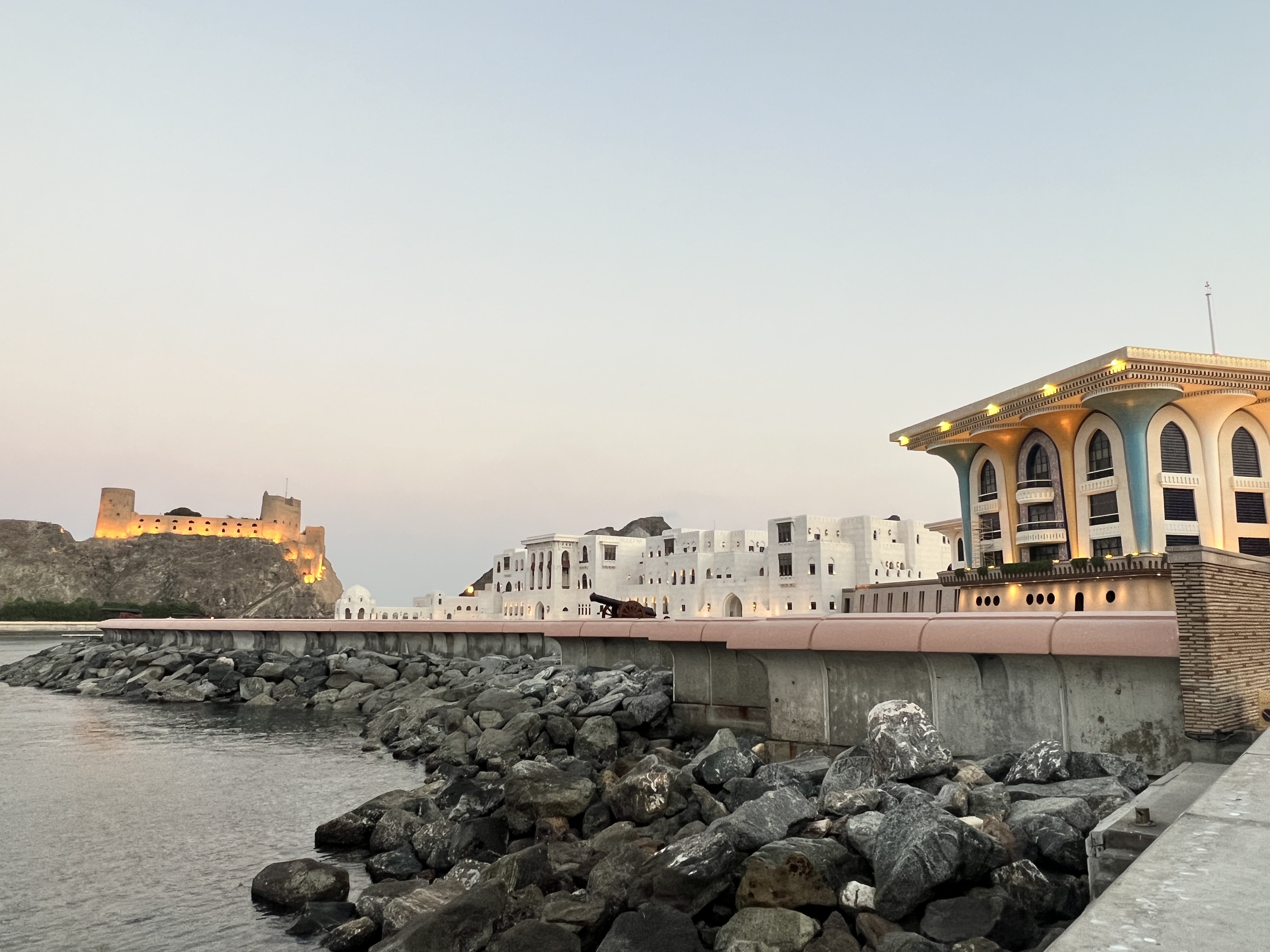
There are many beautiful mosques in Oman. The Al Khor mosque is within walking distance from the Muttrah Fort (you can see the fort in the background of this photo) , Al Alam palace. As a Muslim myself, one of the most restorative aspects to my nervous system while in a Muslim country is hearing the call to prayer five times a day.
What is not necessarily known to many Muslims who default into Sunni or Shi’a sects, is in Oman, most Muslims follow Ibadhi Islam. “From the perspective of Ibadhi muslims, whose sect grew out of this Khaiji secession, the righteous remnant, the best of the Prophet’s Companions, some four thousand of the most devout and learned Muslims, were massacred by a leader who abandoned principle in favor of politics and personal gain. Nahrawan is for Ibadhi Muslims what Karbala’ is for Shi’a…Nahrawan lives on in the Ibadhi imagination as a symbol of an undying hope, despite overwhelming odds and certain defeat, the hope of actualizing a utopian vision of justice and piety in a state led by righteous Iman duly selected by the leading scholars and pious men of the true Muslim community.” The tradition of the Imamate continues today in Oman, with the descendants of the Bu Said dynasty carry the authority of leadership not under the title of Imam but Sayyid and eventually Sultan.
The framework of government in Oman is a hereditary monarchy, or Sultanate. The Sultan is the head of state and government, who appoints a cabinet to handle government affairs, and there is a two-house council.
Mutrah Souq
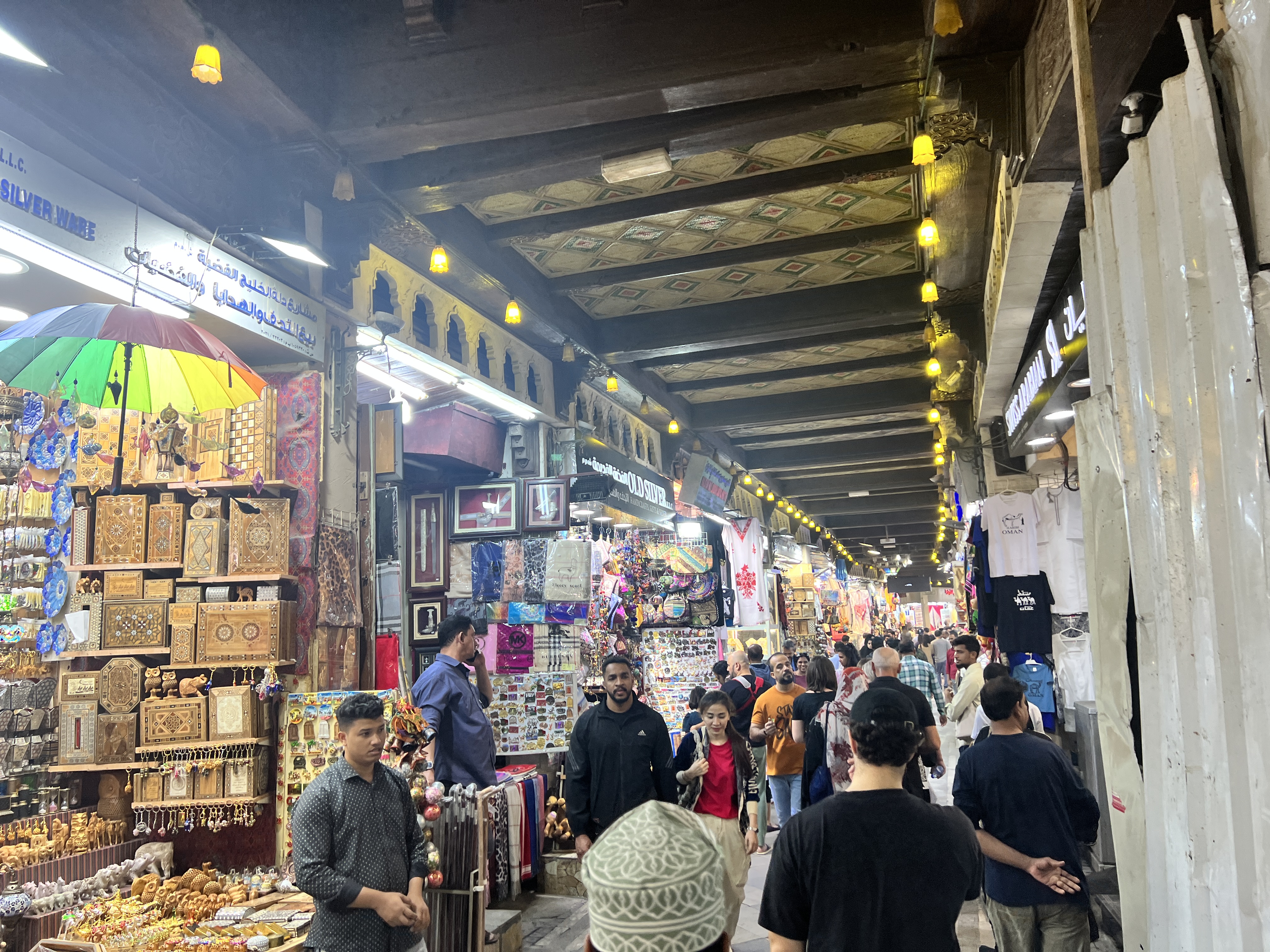
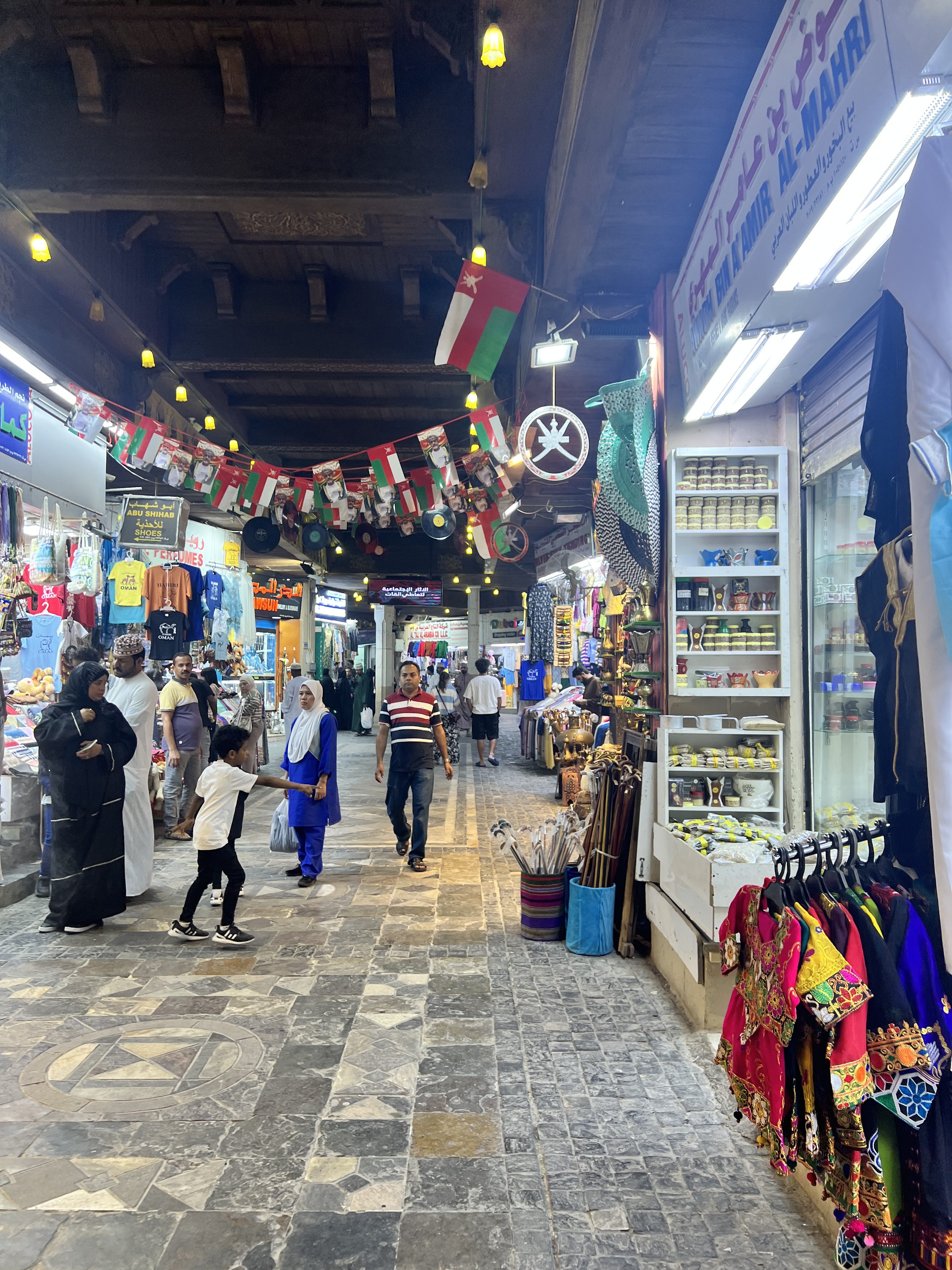
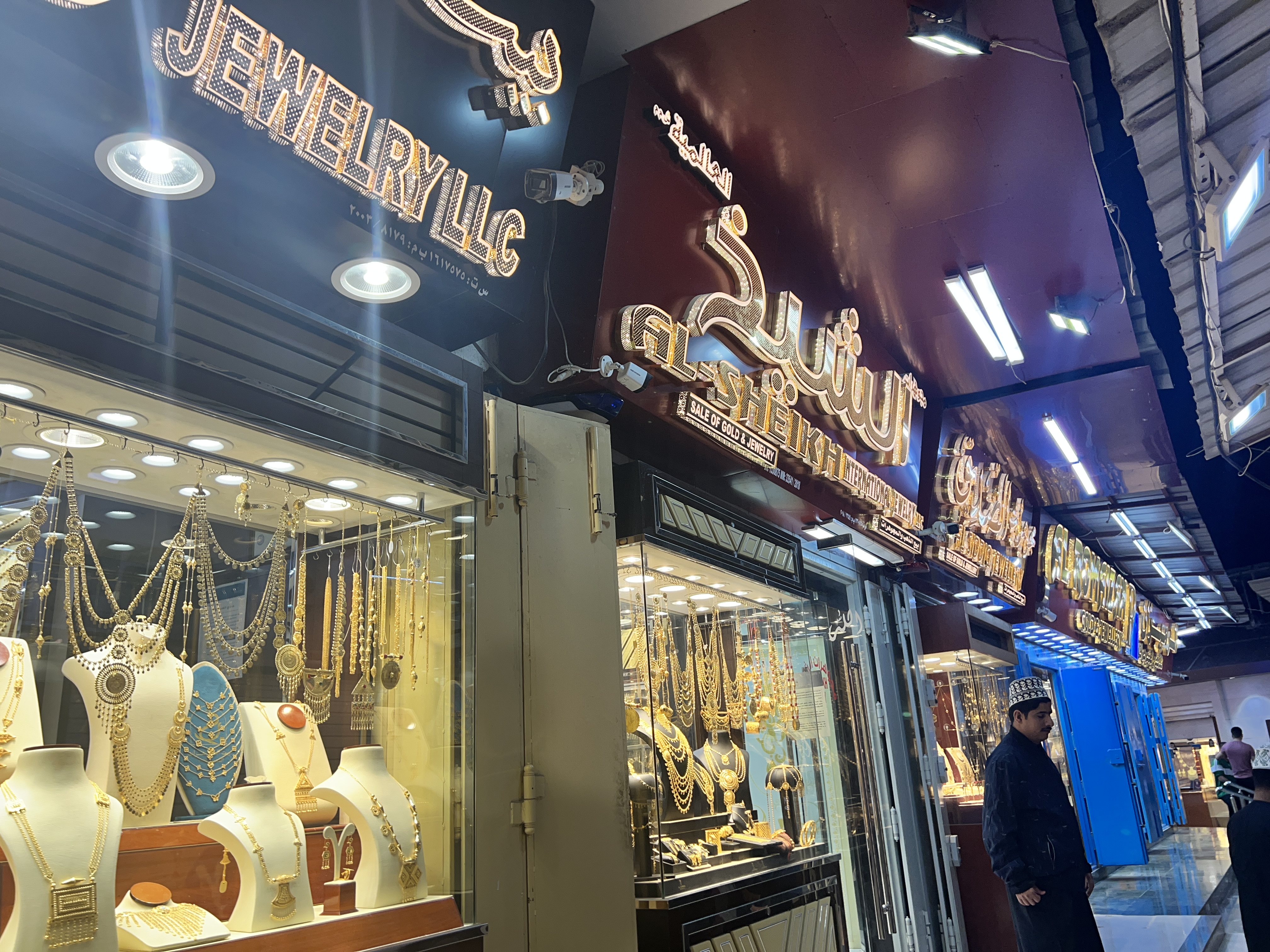
Off the path of the Arabian Sea, you can walk into this maze of shops into a market place that is over 200 years old, making it the oldest market place in Oman. In this market place you will find immigrant workers from India, Bangladesh and Pakistan. Another element of surprise for me is the amount of Immigrant workers from Asian subcontinent I encountered while on this trip, however, of Oman’s 4.6 million general population, 2.7 million are foreign nationals.